
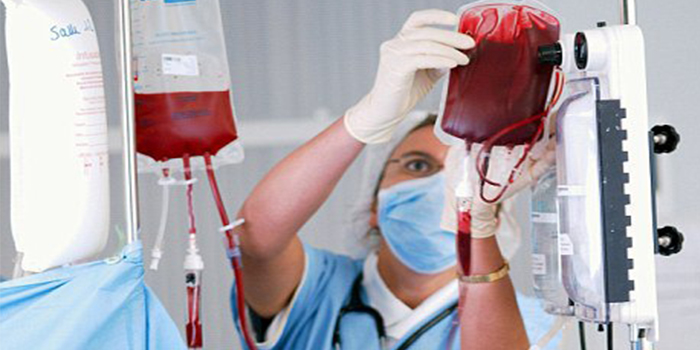
Acute transfusion reactions present as adverse signs or symptoms during or within 24 hours of a blood transfusion. The most frequent reactions are fever, chills, pruritus, or urticaria, which typically resolve promptly without specific treatment or complications. Other signs occurring in temporal relationship with a blood transfusion, such as severe shortness of breath, red urine, high fever, or loss of consciousness may be the first indication of a more severe potentially fatal reaction.
Below is the nursing checklists for the management of transfusion reaction.
Check (√) Yes or No
| PROCEDURE STEPS | Yes | No | COMMENTS |
|---|---|---|---|
| Before, during, and after the procedure, follows Principles-Based Checklist to Use With All Procedures, including: Identifies the patient according to hospital policy using two identifiers; attends appropriately to standard precautions, hand hygiene, safety, privacy, and body mechanics. | - | - | - |
| 1. Stops the transfusion immediately if signs or symptoms of a transfusion reaction occur. |
- | - | - |
| 2. Do not flush the tubing. | - | - | - |
| 3. Disconnects the administration set from the IV catheter. |
- | - | - |
| 4. Calls for help. | - | - | - |
| 5. Checks vital signs and auscultates heart and breath sounds. | - | - | - |
| 6. Maintains a patent IV catheter by hanging a new infusion of normal saline solution, using new tubing. |
- | - | - |
| 7. Notifies primary provider as soon as the blood has been stopped and patient has been assessed. |
- | - | - |
| 8. Places the administration set and blood product container with the blood bank form attached inside a biohazard bag and sends it to the blood bank immediately. |
- | - | - |
| 9. Obtains blood (in the extremity opposite the transfusion site) and urine specimens according to hospital policy. |
- | - | - |
| 10. Continues to monitor vital signs frequently, at least every 15 minutes. |
- | - | - |
| 11. Administers medications as prescribed. | - | - | - |


